
The Relationship Is the Curriculum
Skills can be taught in a season. Trust takes years. The coach-gymnast relationship is not a backdrop to athletic development — it is the mechanism through which development actually happens.
Listen to this post
There is a moment every gymnastics coach knows.
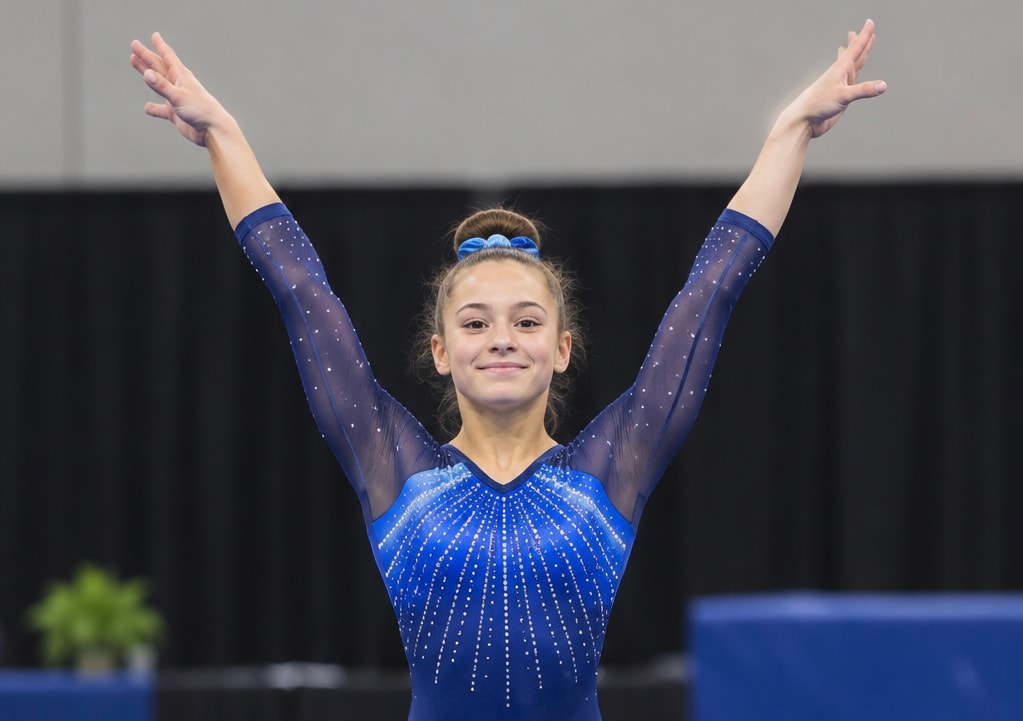
A gymnast is standing at the edge of the mat, looking at a skill they have never done before. They have the physical ability. They have done the progressions. Their body is ready. But they are not moving.
What happens next has almost nothing to do with technique.
What happens next depends entirely on the relationship between that gymnast and the person standing beside them.
Skills Are the Visible Part
When parents watch a gymnastics class, they see skills. They see cartwheels and back handsprings, beam walks and bar kips. They see the visible output of training — the shapes the body makes, the tricks it can perform.
What they cannot see is everything that made those skills possible.
They cannot see the hundreds of small moments of encouragement that kept a child trying after a fall. They cannot see the trust that was built the first time a coach spotted a gymnast through something scary and nothing went wrong. They cannot see the relationship that made a child believe — really believe — that they could do something they had never done before.
Skills are the visible part. The relationship is the infrastructure beneath them.
Why Trust Is the First Skill
At Twisters, we talk about the numbered sequence — the order in which skills are introduced, built upon, and refined. But before any skill in that sequence can be learned, something else has to be in place.
The gymnast has to trust the coach.
Not just like the coach. Not just feel comfortable around the coach. Trust — the specific belief that this person knows what they are doing, wants what is best for me, and will not put me in a situation I cannot handle.
That kind of trust is not established in a single class. It is built through repetition. Through consistency. Through a coach who says the same things the same way, who follows through on what they promise, who celebrates the small wins as genuinely as the big ones.
A gymnast who trusts their coach will try things they are afraid of. A gymnast who does not will protect themselves — and protection, in gymnastics, is the enemy of progress.
The Long Game
Here is what the research on athletic development consistently shows, and what experienced coaches know from decades in the gym: the athletes who develop the furthest are not always the most talented. They are the ones who stayed.
Staying requires motivation. Motivation, in young athletes, is almost entirely relational. A child does not keep coming back to the gym because they love the sport in the abstract. They keep coming back because they love their coach, their teammates, the feeling of being seen and known in that space.
The relationship is what keeps the gymnast in the room long enough for the skill to arrive.
This is why we think about coaching as a long-term commitment, not a transaction. A coach who cycles through gymnasts — who treats each class as a standalone event rather than a chapter in a longer story — will produce results that look fine in the short term and hollow out over time.
A coach who invests in the relationship — who knows each gymnast's fears, their strengths, the things that make them laugh, the things that make them shut down — is building something that compounds.
What a Coach Owes a Gymnast
We think about this carefully at Twisters.
A coach owes a gymnast honesty. Not cruelty, not false praise — honesty. The gymnast needs to know when they are ready and when they are not. They need to know what they are working toward and why. They need feedback that is accurate, specific, and delivered in a way they can actually receive.
A coach owes a gymnast consistency. The same standards, the same expectations, the same warmth — every day. A gymnast should never have to read the room before they walk onto the floor. The environment should be predictable enough that all of their attention can go toward the work.
A coach owes a gymnast patience. Development is not linear. There will be weeks where nothing clicks, where a skill that seemed solid suddenly falls apart, where a gymnast who was thriving hits a wall. A coach who panics in those moments — who pushes harder, who communicates disappointment — teaches the gymnast that their value is conditional on their performance. That is a lesson that outlasts gymnastics.
And a coach owes a gymnast belief. Not blind belief — the kind that ignores real limitations — but the specific, informed belief that this gymnast, with this body, with this mind, can do more than they currently think they can. That belief, communicated consistently over time, becomes the gymnast's own.
The Gymnast Who Remembers
Ask any adult who did gymnastics as a child what they remember most. They will not tell you about a specific skill. They will not describe a competition result or a ribbon they won.
They will tell you about a coach.
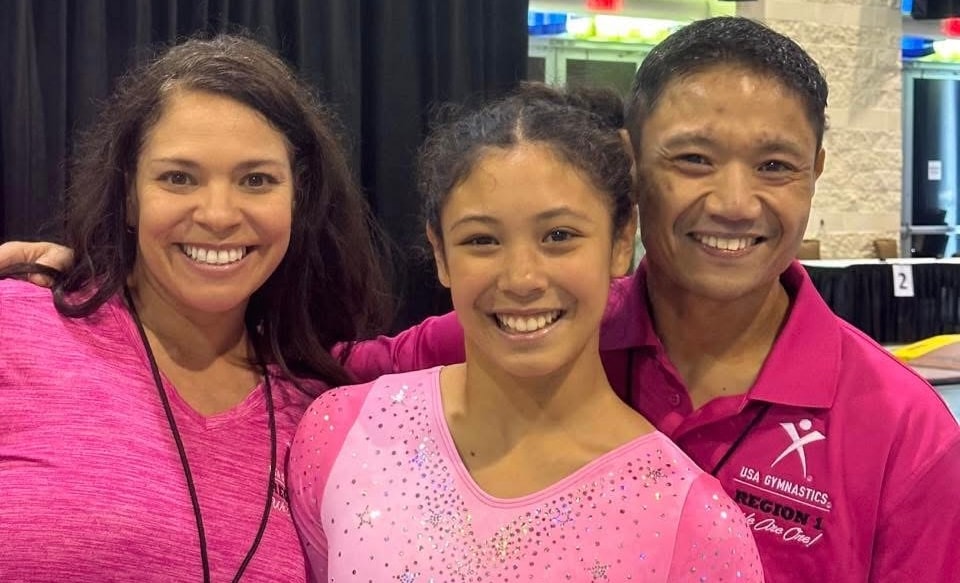
They will tell you about the person who believed in them when they did not believe in themselves. The person who made the gym feel safe. The person who pushed them past what they thought was possible and then celebrated with them when they got there.
That is the legacy of a coaching relationship done well. Not the skills — though the skills matter. Not the results — though the results matter too. The relationship. The person the gymnast became, in part, because of the time they spent with someone who genuinely cared about their development.
What This Means at Twisters
We hire coaches who understand this. We train coaches who are still learning it. And we build our program around the idea that the relationship between a coach and a gymnast is not a soft, secondary concern — it is the primary mechanism through which everything else happens.
The curriculum is real. The numbered sequence is real. The biomechanics are real.
But the relationship is what makes all of it land.
When a gymnast at Twisters stands at the edge of the mat, looking at something they have never done before — we want them to feel one thing above all else.
I trust the person standing next to me.
Everything else follows from that.
Explore Topics
Written by
Allan Fusilero, Owner of Twisters Gymnastics — with research assistance from Grok, Perplexity, and ChatGPT
Content creator and writer sharing insights and stories.